Featured
Hand Sanitizer May Not Be as Handy as You Think
COVID-19 is not the world’s first pandemic, and it won’t be the last.
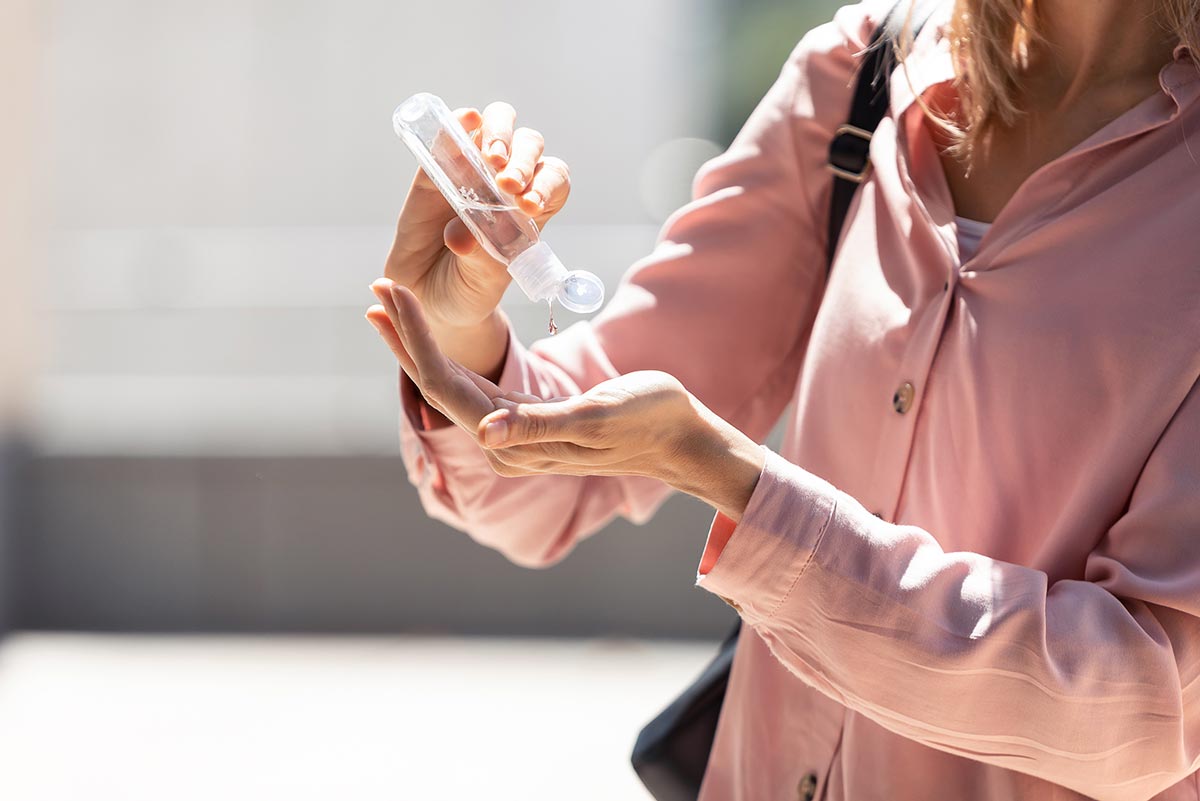
Remember the old days when we used to eat birthday cake after someone carefully blew all over it, releasing spit shrapnel and hot air in an effort to extinguish birthday candles? How about when the world didn’t look like a sea of ninja impersonators, with floral patterns and color-coated masks, and everyone didn’t apply hand sanitizer as often as they breathe?
The landscape in which we live is not the same as it was one year ago. Whether you are diving headfirst into every COVID-19 precaution available or resistant, there is no denying that both personal and professional spheres have been coronavirus-fied, dripping with temperature checks and symptom-watchers on high alert.
Antibacterial or Anti-Immune System?
Triclosan is an antimicrobial ingredient. It “is one of the most commonly used ingredients to kill off bacteria and fungus in the US.” It’s “found in clothing, kitchenware, furniture, toys, medical devices, antibacterial soaps and body washes, deodorants, acne medications, mouthwashes, toothpastes, wound infection solutions, and cosmetics. Triclosan is found in 75 percent of liquid hand soaps.”
As antibacterial products fly off the shelf faster than the Cabbage Patch dolls of 1983,